Hatha Yoga
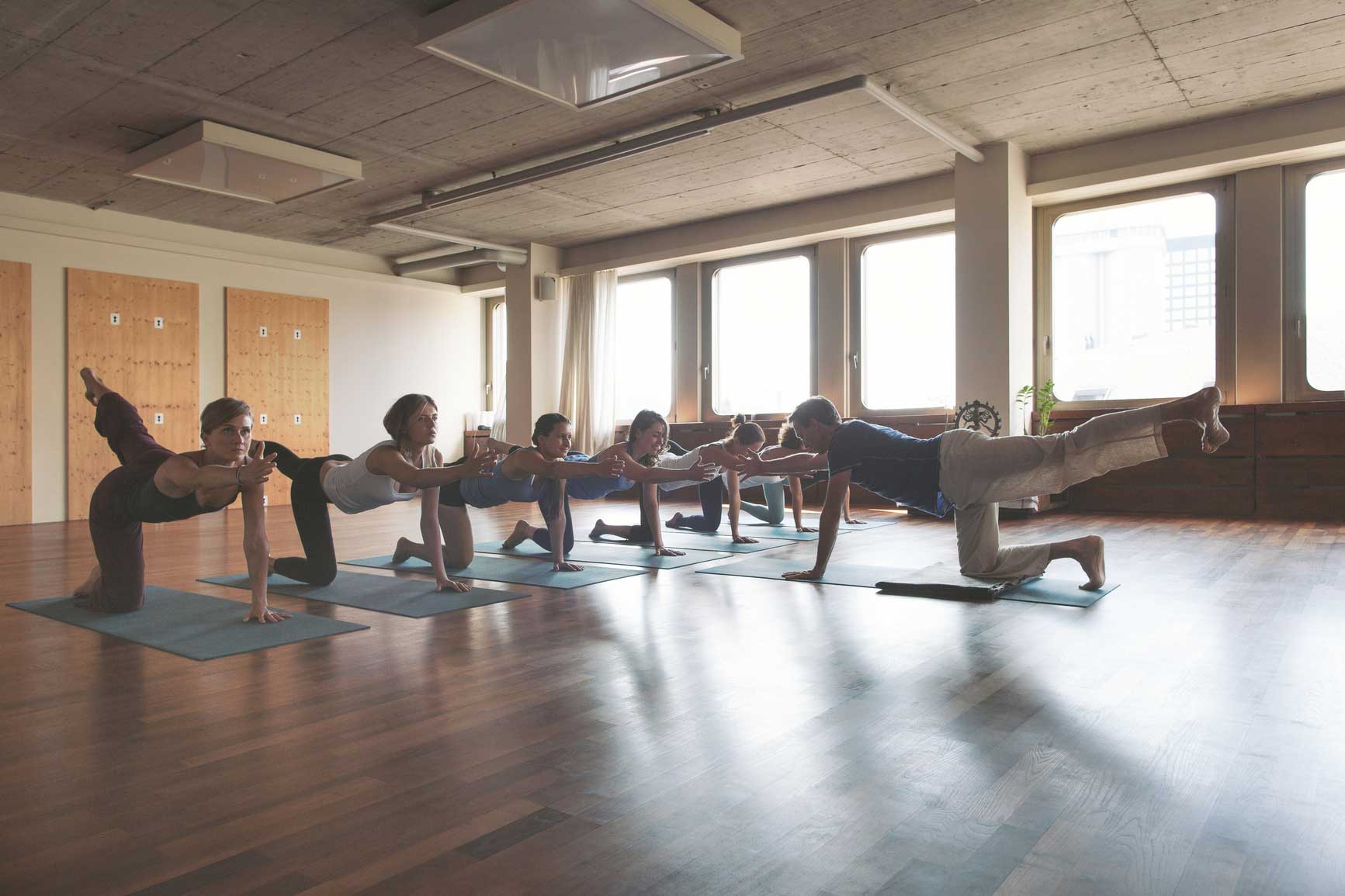
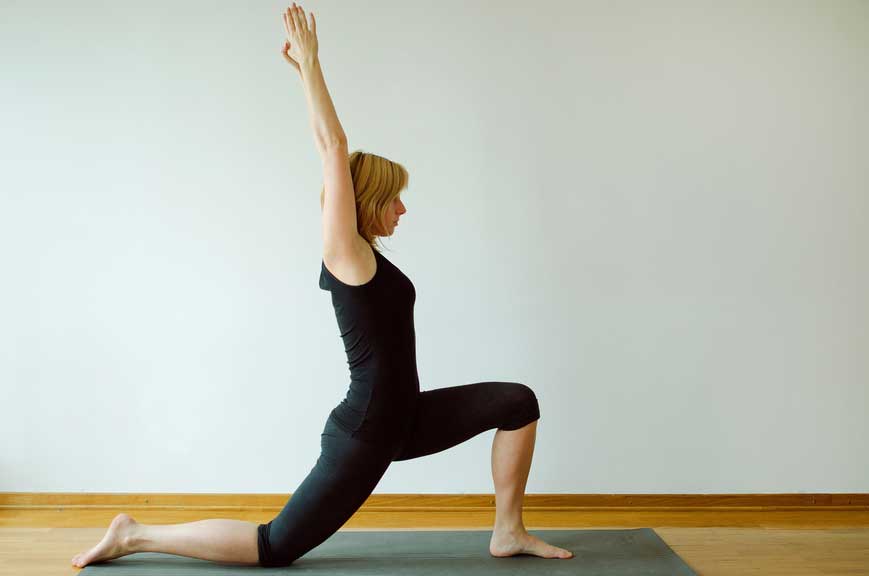
Hatha yoga is a branch of yoga that primarily focuses on mastering the body through physical exercises and breathing control. The term “Hatha” is derived from the Sanskrit words “ha” and “tha,” which mean “sun” and “moon,” respectively. This has led to the common interpretation that Hatha practices are designed to unite and balance these two energies.
Hatha yoga is one of the most popular forms of yoga in Western culture, and it has been practiced for thousands of years. It is traditionally an ascetic practice, with ancient Hatha yogis living as renunciates and engaging in the disciplines of Hatha yoga as a means of self-experimentation. The practice encompasses much more than just physical postures, which have become popular today. According to Patanjali’s Yoga Sutras, the eight limbs of the path of Hatha yoga are: Yamas (social observances), Niyamas (moral observances), Asana (yoga postures), Pranayama (breathing techniques), Pratyahara (withdrawal of the senses), Dharana (concentration), Dhyana (meditation), and Samadhi (enlightenment or bliss).
One of the most prominent ancient texts on Hatha yoga is Patanjali’s Yoga Sutras, a series of 196 aphorisms written in Sanskrit around 400 AD. The text describes Hatha yoga as an eightfold path consisting of eight mind-body disciplines to be mastered. All other physical practices of yoga such as Vinyasa, Ashtanga, and Iyengar stemmed from the Hatha yoga tradition..
Power Yoga
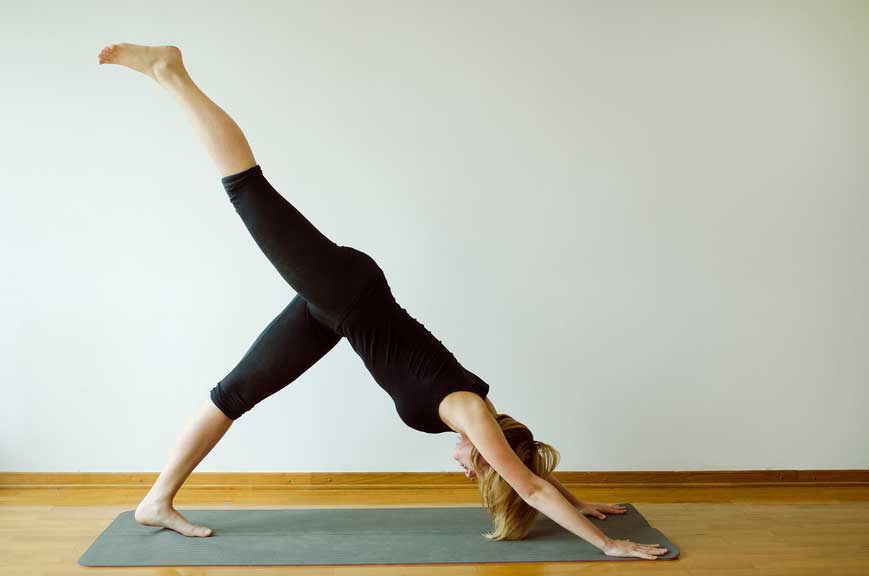
Power Yoga is a style of yoga that emphasizes building muscular strength and cardiovascular endurance through a fast-paced, vigorous practice. It is also an excellent form of yoga for burning calories . Power yoga is often used interchangeably with Vinyasa yoga, which has its roots in Ashtanga yoga, an established practice that began in the early 20th century .
Unlike traditional yoga, power yoga moves at a much faster pace and focuses on poses and breathing in a more dynamic way. The poses are challenging, and you move from one pose to the next quickly. Power yoga classes are seldom alike, unlike some other styles of yoga that follow the same series of poses each time .
Power yoga is designed to improve muscle strength and cardiovascular endurance. It provides a good physical workout and is more dynamic than meditative. It is also an excellent form of yoga for burning calories..
Ashtanga Yoga
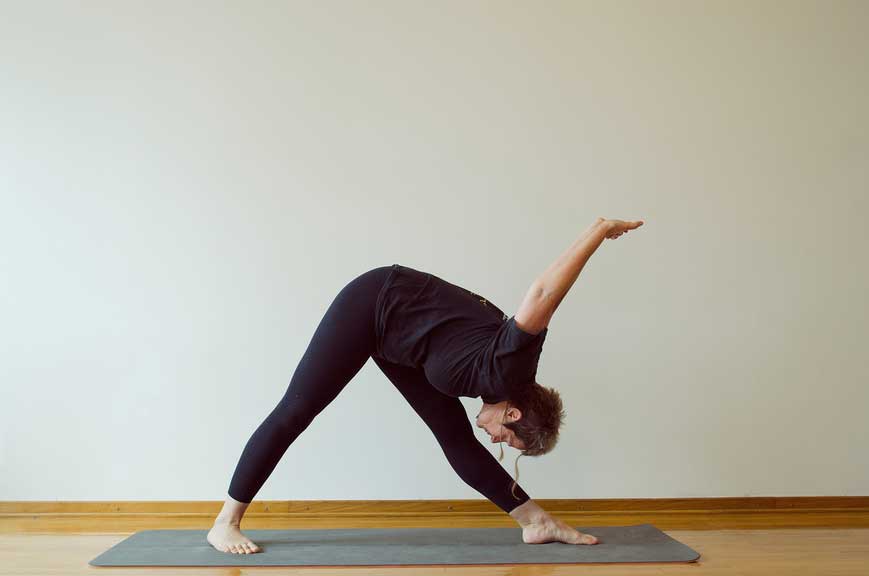
Ashtanga Yoga is a style of yoga that was developed by Sri K. Pattabhi Jois and T. Krishnamacharya in the 20th century. It is based on Vinyasa, or flowing movements between postures, with a focus on energy and breath. Ashtanga yoga is a very dynamic and athletic form of hatha yoga, made up of six series or levels, with a fixed order of postures. The practice is designed to be physically demanding and requires discipline, flexibility, and stamina.
The six series of Ashtanga yoga are:
- Primary Series: This series focuses on forward bends and hip openers.
- Intermediate Series: This series focuses on backbends and arm balances.
- Advanced Series A: This series focuses on arm balances and deep hip openers.
- Advanced Series B: This series focuses on backbends and leg-behind-the-head postures.
- Advanced Series C: This series focuses on arm balances and inversions.
- Advanced Series D: This series focuses on deep backbends and lotus postures.
Pranayama
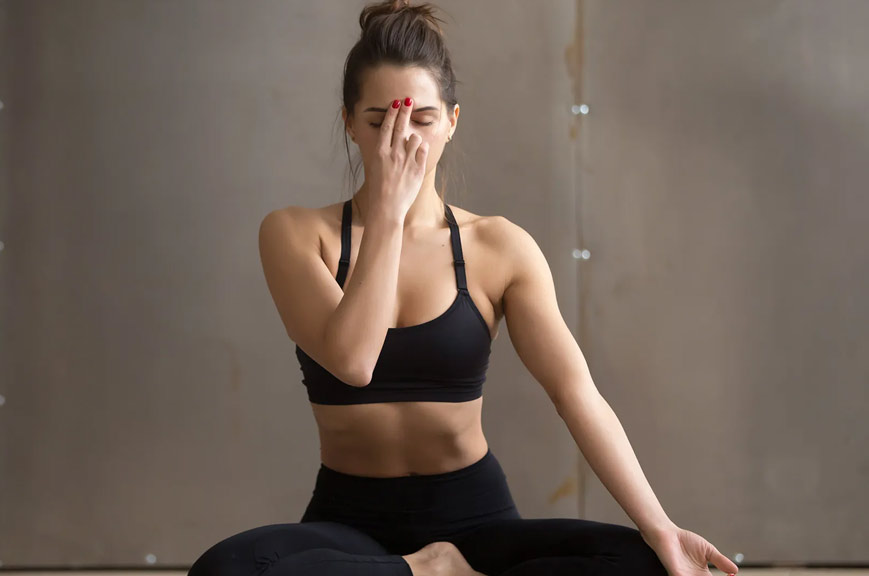
Pranayama is a collection of breathing exercises that originated in ancient India and is now widely practiced around the world . The word “pranayama” is derived from two Sanskrit words: “prana,” meaning life force, and “yama,” meaning control . Pranayama is designed to help practitioners control their breath and improve their overall health and well-being.
Pranayama involves various breathing techniques that are designed to help practitioners control their breath and improve their overall health and well-being. Some of the most common pranayama techniques include:
- Kapalbhati: A breathing technique that involves short, forceful exhales and passive inhales. It is believed to help purify the body and increase energy levels .
- Bhastrika: A breathing technique that involves rapid, forceful inhales and exhales. It is believed to help increase oxygen levels in the body and improve lung function .
- Nadi Shodhan Pranayam: A breathing technique that involves alternate nostril breathing. It is believed to help balance the body’s energy channels and promote relaxation .
- Anulom Vilom Pranayam: A breathing technique that involves alternate nostril breathing with a longer exhale than inhale. It is believed to help reduce stress and anxiety .
- Bhramari Pranayama: A breathing technique that involves humming while exhaling. It is believed to help calm the mind and reduce stress .
Newsletter
Studio Updates & New Timetables Weekly